
Everyone in property management is talking about automation right now. Automated tenant screening. Automated rent collection. Automated maintenance dispatching. Automated reporting.
And here’s what nobody’s saying: automation alone doesn’t fix anything.
I know that’s not what software vendors want you to hear. But it’s true. If your processes are broken, automating them just means they break faster. And if nobody’s watching the output, you’ve traded visible problems for invisible ones.
That’s worse.
The Automation Trap
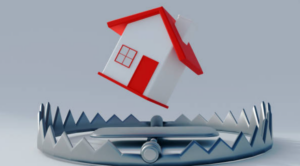
Here’s how it usually goes. A property management company buys a new platform. They set up automated workflows for leasing, maintenance, and owner communications. Everything looks great on paper.
Six months later, automated emails are going to the wrong tenants. Maintenance requests are being routed to vendors who aren’t responding. Financial reports are being generated on time, but the numbers are wrong because nobody verified the inputs.
The system did exactly what it was told to do. The problem is, nobody checked whether what it was told to do was right.
That’s the automation trap. Technology is only as good as the process behind it and the people checking the output.
Accountability Is the Part That Doesn’t Scale Automatically
Here’s the thing about accountability: you can’t automate it. You can automate the reporting that supports it. You can automate the alerts that flag problems. But someone still must look at the numbers, ask questions, and make calls.
A maintenance request gets auto-dispatched to a vendor. Great. But who’s checking that the vendor actually showed up? Who’s confirming the repair was done correctly? Who’s closing the loop with the tenant?
Rent collection is automated. Wonderful. But who’s reviewing the delinquency trends? Who’s catching the tenant who’s been three days late every month for the last six months — the one who’s about to be thirty days late?
Automation handles the action. Accountability handles the judgment. You need both.
What Smart Automation Actually Looks Like

The companies that get this right don’t just automate tasks. They automate visibility. There’s a difference.
Automating tasks means the system does work for you. Automating visibility means the system shows you what matters, so you can make better decisions faster.
That looks like dashboards that surface exceptions — not just reports that confirm everything’s fine. It looks like alerts triggered by patterns, not just events. It looks like automated reports that a human actually reads, questions, and acts on.
The automation does the heavy lifting. The accountability ensures the heavy lifting is aimed in the right direction.
The Owner’s Question
If you’re a property owner evaluating management companies, here’s a question worth asking: “When your automated systems produce an error, how do you catch it?”
If the answer is “we review everything manually” — that’s not efficient. If the answer is “we trust the system,” that’s not accountable. The right answer is somewhere in between: systems that flag exceptions, and people who investigate them.
Automation should make your property manager more accountable, not less. If it’s being used to reduce headcount instead of improving oversight, the owner paying for that efficiency is eventually going to pay for the mistakes too.
Build the System, Then Watch It
Automation is a tool, not a strategy. The strategy is accountability — clear processes, consistent reporting, and someone who’s actually looking at the data.
The best property management operations use technology to eliminate busy work so their people can focus on judgment calls. The worst ones use technology to eliminate people, so nobody’s making judgment calls at all.
There’s a meaningful difference. Make sure you know which one you’re getting.
Want property management that pairs automation with real oversight? Schedule a Consultationwith our team.